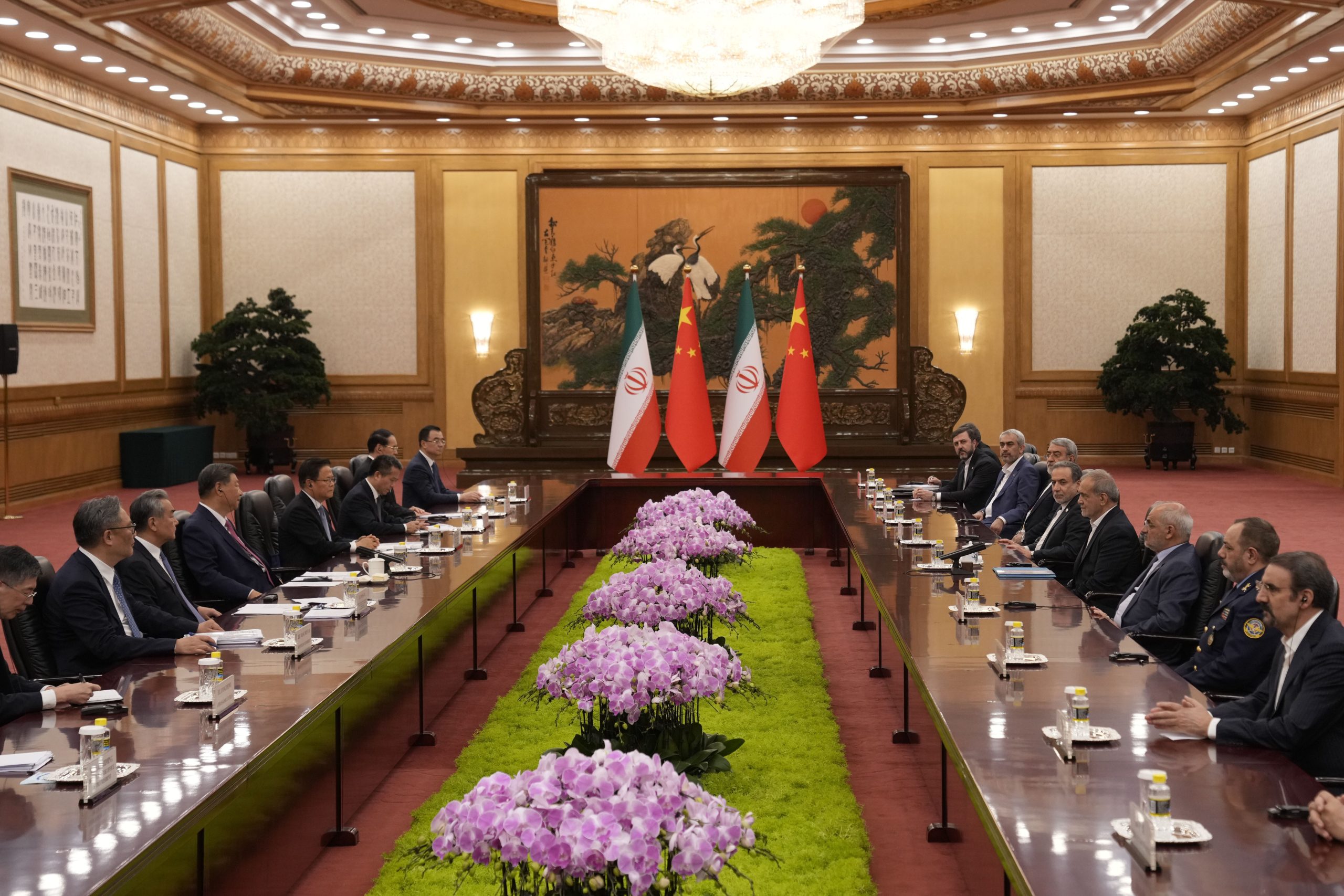
The Middle East, a region perpetually at the crossroads of history, diplomacy, and conflict, finds itself teetering on an unprecedented precipice. Global powers, from the United Kingdom and France to the United States, are sounding urgent alarms, warning that the middle east conflict risk has reached its highest point yet. This perilous situation demands immediate, concerted diplomatic action to prevent a localized crisis from spiraling into a devastating regional conflagration with global ramifications.
The Alarming Reality: Unprecedented Middle East Conflict Risk
Recent joint statements from the Foreign Ministers of France and the United Kingdom underscored a grim reality: the probability of a wider conflict engulfing the Middle East has never been more acute. Their recent visits to Lebanon and Israel, followed by a joint declaration, highlighted a profound sense of alarm and a specific responsibility, as permanent members of the United Nations Security Council, to foster de-escalation and secure lasting peace. This sentiment is echoed across the Atlantic, with the White House expressing deep concern about the escalating regional tensions.
What makes the current middle east conflict risk so unprecedented? It's a confluence of factors: the ongoing war in Gaza, heightened tensions along the Israel-Lebanon border, disruptions to international shipping in the Red Sea, and escalating violence in the West Bank. These flashpoints are interconnected, often fueled by a complex web of state and non-state actors. The assassination of Hamas leader Ismail Haniyeh in Iran, regardless of perpetrator, serves as a stark reminder of how rapidly dramatic, violent events can destabilize an already fragile equilibrium. Such incidents exacerbate existing grievances and make the painstaking work of de-escalation significantly more challenging.
While the US acknowledges this severe risk, it maintains that an all-out regional war is not "imminent or inevitable," emphasizing ongoing efforts to prevent such an outcome. This delicate balance between warning and working towards prevention underscores the critical role of diplomatic engagement in averting catastrophe. For a deeper dive into these warnings, you can refer to Global Powers Warn: Middle East Conflict Risk Hits Unprecedented Levels.
The Imperative of De-escalation: Diplomatic Pathways to Stability
In the face of such profound instability, de-escalation is not merely an option but an absolute necessity. The international community, led by key players like the United States, Egypt, and Qatar, is tirelessly engaged in diplomatic efforts aimed at brokering a ceasefire in Gaza and securing the release of hostages. These efforts are seen as crucial immediate steps to halt the current violence and create space for broader peace initiatives.
A central message from world leaders is the urgent call for an end to the "spiral of escalating reprisals." This particularly targets Iran and its affiliated groups, urging them to cease military threats against Israel. The implementation of UN Security Resolution 1701, which seeks to maintain peace in Lebanon and prevent escalation across the Blue Line, is also repeatedly emphasized as a vital component of regional stability. Without concrete gestures from all regional actors to genuinely avoid war, the current trajectory remains perilous. The importance of these efforts cannot be overstated; to understand more about the urgency of de-escalation, read Middle East On Edge: De-escalation Efforts Crucial to Stability.
Practical Tip: Supporting organizations involved in Track II diplomacy and conflict resolution initiatives can contribute to creating informal channels of communication and trust-building that are often vital when official channels are strained.
Addressing Root Causes and Protecting Vulnerable Populations
Beyond immediate de-escalation, lasting peace in the Middle East hinges on addressing the foundational issues that fuel perpetual cycles of conflict. The UK and France, among others, firmly reiterate their belief that a two-state solution, grounded in international law, remains the only viable path to a just and enduring peace between Israelis and Palestinians. This long-term vision requires consistent commitment and renewed efforts to lay the groundwork for a future where both peoples can live securely and with dignity.
Alarmingly, actions that undermine this future continue to occur. The strong condemnation of recent settler violence in the West Bank by international bodies highlights how such acts not only threaten the security of both Israelis and Palestinians but also actively jeopardize ongoing diplomatic efforts. These destabilizing actions erode trust and make the pursuit of a political solution significantly harder.
Amidst the geopolitical maneuvering, the humanitarian crisis in conflict zones demands immediate and unrestricted attention. Calls for the unimpeded delivery of aid to affected civilians are not just pleas for compassion but essential obligations under international law. Protecting civilians, ensuring access to life-saving supplies, and upholding human dignity must remain paramount, irrespective of political or military objectives. The human cost of conflict is immense, and its alleviation is a moral imperative that can also help de-escalate tensions by reducing suffering and desperation.
Proactive Engagement and Regional Responsibility
The current high middle east conflict risk necessitates not only reactive crisis management but also proactive strategies for building regional stability. This involves encouraging regional cooperation and normalization efforts, which, while challenging during times of heightened tension, are crucial for fostering a more integrated and peaceful future. Regional actors are called upon to make "concrete gestures" that demonstrate a genuine desire to avert wider conflict and work towards shared security.
From an analytical perspective, a significant danger in the current environment is the potential for miscalculation. With multiple actors operating in close proximity and with varying objectives, a single misstep or misunderstanding could trigger a chain reaction. Robust communication channels, both overt and covert, are therefore more critical than ever to prevent unintended escalation. Furthermore, the economic ramifications of sustained instability cannot be overlooked. Disruption to trade routes, energy markets, and investment flows would have profound global impacts, affecting everything from supply chains to everyday consumer prices.
- Support Diplomacy: Advocate for your government's continued robust diplomatic engagement in the region, emphasizing de-escalation and long-term peace solutions.
- Humanitarian Aid: Contribute to reputable international organizations providing aid to civilians affected by the conflict.
- Informed Engagement: Stay informed about the complexities of the region, understanding that simplistic narratives often obscure the path to meaningful solutions.
The road ahead for the Middle East is fraught with peril, yet it is also a moment for decisive diplomatic leadership. The warnings from global powers are clear: the risk of a wider regional conflict is higher than ever. Averting this catastrophe requires unwavering commitment to de-escalation, sustained diplomatic efforts to address immediate crises like Gaza, and a renewed, principled push towards a just and lasting peace, particularly through a two-state solution. It is a collective responsibility to navigate this challenging period with wisdom, resolve, and a steadfast focus on humanity.