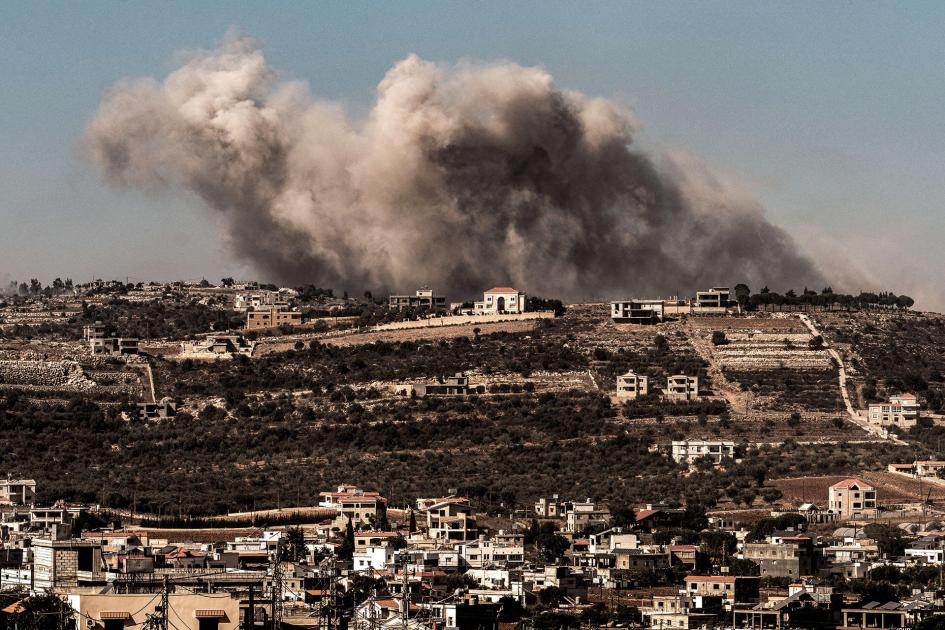
The geopolitical landscape of the Middle East is currently teetering on a precipice, with international powers sounding unprecedented alarms over the escalating middle east conflict risk. Recent statements from top diplomats across Europe and the United States underscore a shared conviction: the region stands at its most perilous point in decades, demanding urgent de-escalation efforts to avert a catastrophic wider conflict.
From the joint warnings issued by the Foreign Ministers of France and the United Kingdom to the White House's expressed concerns following critical events, a clear message emerges: the international community recognizes the dire implications of unchecked tensions. This article delves into the multi-faceted nature of this heightened risk, the critical diplomatic maneuvers underway, and the collective responsibility required to navigate the region away from the brink.
The Alarming Escalation: A Region on the Brink
The sentiment resonating from world capitals is unambiguous: the risk of a broader Middle East conflict has reached unprecedented levels. This isn't merely political rhetoric; it reflects a genuine apprehension about a complex web of interconnected conflicts, proxy confrontations, and escalating rhetoric that threatens to engulf the entire region.
The joint statement from the Foreign Ministers of France and the United Kingdom, following their visits to Lebanon and Israel, powerfully articulated this concern. As permanent members of the United Nations Security Council, they emphasized their "specific responsibility" to foster an end to the current escalation and work towards lasting peace. Their call was direct and urgent: "The risk of wider conflict in the Middle East has never been higher and we must push for de-escalation now." This warning highlighted the dangerous "spiral of escalating reprisals" that must be broken, specifically urging Iran and its affiliated groups to cease military threats against Israel. Such a spiral, fueled by tit-for-tat actions, possesses the inherent danger of spiraling out of control, drawing in more actors and broadening the geographical scope of conflict.
Adding another layer of complexity and concern, the recent assassination of Hamas leader Ismail Haniyeh in Iran further ratcheted up tensions. While the White House, through national security spokesperson John Kirby, indicated that Washington did not view an all-out regional conflict as "imminent or inevitable," the event undoubtedly heightened the diplomacy's challenge averting wider middle east escalation. Such "dramatic events" inevitably complicate the already delicate task of securing a ceasefire and achieving lasting stability. The concern is that these singular events, no matter their immediate impact, can serve as triggers or pretexts for further retaliatory actions, further fueling the dangerous cycle of violence and significantly increasing the overall middle east conflict risk.
Diplomatic Frontlines: Efforts for De-escalation and Peace
Amidst the heightened tensions, diplomatic efforts are working tirelessly, often behind closed doors, to prevent a regional conflagration. The primary focus remains on brokering a ceasefire in Gaza and securing the release of hostages, considered crucial first steps toward de-escalation.
Key players in these sensitive negotiations include the United States, Egypt, and Qatar, whose ongoing efforts received full support from the UK and France. The urgency is palpable, with ministers stating, "There is no further time to lose to seize the opportunity and secure the release of the hostages." This sentiment reflects the humanitarian imperative alongside the strategic necessity, as the continued detention of hostages and active conflict only serve to perpetuate instability and prolong suffering.
Beyond the immediate crisis in Gaza, international attention is also fixed on Lebanon, where the full implementation of UN Security Resolution 1701 is seen as vital for maintaining peace. This resolution, originally adopted in 2006, seeks to prevent hostilities, ensure the withdrawal of Israeli forces from Lebanon, and deploy Lebanese armed forces alongside UNIFIL in the south. Its renewed emphasis underscores the international community's concern that the Lebanon-Israel border could become another flashpoint, further expanding the geographical scope of the middle east conflict risk.
Furthermore, the call for Iran and its affiliated groups to cease their military threats against Israel is a critical component of de-escalation. These proxy networks, often operating across multiple countries, add a dangerous layer of complexity, making direct confrontation between state actors more likely and harder to contain. Addressing this requires not only diplomatic pressure but also a concerted effort to dismantle the underlying infrastructure that enables such threats.
Humanitarian Imperative and the Path to Lasting Peace
The human cost of conflict in the Middle East is immeasurable, and international warnings are inextricably linked to the urgent need for humanitarian relief. The UK and France unequivocally called for the "immediate and unrestricted delivery of humanitarian aid" to those affected by the conflict, stressing that "civilians must be protected." This isn't merely a moral plea but a practical necessity; widespread suffering and deprivation can further destabilize regions, creating breeding grounds for extremism and prolonging cycles of violence.
Looking beyond the immediate crises, the long-term vision for stability consistently returns to the principle of a two-state solution. Both the UK and France reiterated their belief that "only a two-state solution, grounded in international law, can bring about a just and lasting peace between Israelis and Palestinians." This solution envisions an independent and sovereign Palestinian state existing peacefully alongside Israel, a framework widely recognized as the most viable path to resolving the core of the Israeli-Palestinian conflict. However, progress towards this solution is frequently undermined by actions on the ground.
In this context, the strong condemnation of recent settler violence in the West Bank is particularly significant. Such actions are not just humanitarian concerns; they "threaten both Israeli and Palestinian security and could put at risk ongoing diplomatic efforts." They erode trust, inflame tensions, and create facts on the ground that make the implementation of a two-state solution increasingly difficult, thereby exacerbating the long-term middle east conflict risk.
Beyond the immediate flashpoints, regional cooperation and normalization efforts are also being encouraged. International powers are urging all regional actors to make "concrete gestures if they genuinely want to avoid war," affirming their readiness to engage in promoting peace and stability. This holistic approach recognizes that sustainable peace cannot be achieved in isolation but requires comprehensive engagement across the entire region.
Navigating the Future: Mitigating Middle East Conflict Risk
Mitigating the middle east conflict risk demands more than just reacting to immediate crises; it requires a proactive, multi-pronged strategy. The current environment is characterized by a dangerous interplay of state and non-state actors, historical grievances, and shifting geopolitical alliances, making resolution exceptionally complex. Understanding these nuances is crucial for any effective de-escalation strategy.
Key Strategies for Stability:
- Sustained Diplomatic Pressure: International bodies and powerful nations must maintain consistent, unified pressure on all parties to adhere to international law, respect human rights, and engage in constructive dialogue. This involves leveraging economic, political, and even security assistance to incentivize peace.
- Addressing Root Causes: While immediate de-escalation is vital, lasting peace requires addressing the underlying issues: economic disparity, political disenfranchisement, territorial disputes, and the pervasive narrative of injustice. Investing in development, good governance, and inclusive political processes can significantly reduce the long-term propensity for conflict.
- Strengthening International Institutions: The UN, particularly the Security Council, needs reinforced mandates and unified action to be an effective arbiter and enforcer of peace resolutions. Its role in monitoring ceasefires, protecting civilians, and facilitating aid is indispensable.
- Countering Disinformation: In an era of rapid information flow, deliberate misinformation can inflame tensions and undermine diplomatic efforts. A commitment to factual reporting and critical analysis from citizens and media alike is crucial for informed public discourse and preventing further polarization.
- Regional Dialogue and Trust-Building: Encouraging direct communication channels and fostering trust between regional adversaries, perhaps through multilateral forums, can help reduce miscalculation and create pathways for shared security interests.
Practical steps for individuals include staying informed from diverse, credible news sources, supporting reputable humanitarian organizations, and advocating for diplomatic solutions. The interconnectedness of today's world means that instability in the Middle East has ripple effects on global energy markets, trade routes, and refugee flows, making the pursuit of peace a universal concern.
The warnings from global powers are not merely advisory; they are a stark reflection of a region in peril. The collective responsibility now falls on all actors, both regional and international, to prioritize de-escalation, uphold international law, and commit to the arduous but essential work of building a just and lasting peace. The diplomacy's challenge averting wider middle east escalation has never been greater, and the consequences of failure are too dire to contemplate. The time for decisive action, cooperation, and visionary leadership is unequivocally now.